Because the focus is on extreme heat here in Las Vegas, homes in this area are not built to handle the cold. When temperatures drop quickly overnight, pipes that are lightly insulated or routed through exterior walls can freeze and burst, even in Southern Nevada. Since freezes are uncommon in this area, many homeowners are caught off guard. However, there are precautions you can take to protect your plumbing.
Why Las Vegas Winter Temperature Swings Put Pipes at Risk
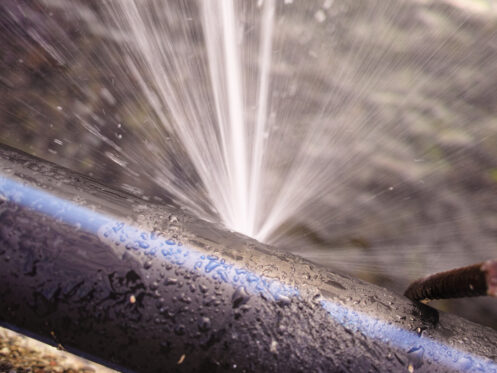
Winter temperatures during the day in Las Vegas are usually in the range of 50 and 70 degrees Fahrenheit. However, once the sun sets, the temperature can drop substantially. Many nights see temperatures as low as 20 or 30 degrees Fahrenheit. This shift in temperature is what can put strain on your plumbing system. A pipe doesn’t have to completely freeze to burst. A small bit of ice in a pipe can cause expansion. Debris can accumulate as part of the ice blockage, causing issues. If pipes lack insulation, are exposed to cold temperatures, or already have damage, they are at risk of bursting in winter.
Insulate Your Pipes
Insulation around your pipes helps retain warmth so ice cannot form. There are different types of insulation products you can use for your plumbing system. Foam sleeves can be cut and fitted over pipes for easy installation. Spray foam insulation is more expensive but does a great job of filling in all the gaps and cracks that exist around pipes. You can also use a hot water heater jacket to help retain warmth inside your tank and through your pipes.
Upgrading Home Insulation
The level of insulation throughout your entire home also impacts how safe your plumbing system is during the winter months. Check your attic, garage, crawl space, and around your foundation specifically. If you lack insulation, consider upgrading. There are often rebates and incentives that can help offset the cost of adding insulation to your residence.
Sealing Gaps and Cracks
It’s common for a home to have holes, gaps, and cracks around windows, doors, and the foundation. Though they are small, these areas can allow cold air to come inside your home. This has a negative impact on your energy consumption and monthly bills. It can also increase the risk of your pipes freezing and bursting.
Before the start of winter, go around your home and seal up these gaps with products like caulk and weatherstripping. This is a process you should repeat at least once per year. Weatherstripping usually lasts around five years or so and should be replaced when it shows signs of wear.
Open Your Faucets at Night
When you know temperatures will be dropping considerably, open some of your faucets and fixtures. Allowing a slow drip of water to flow through your plumbing system will help prevent ice formation. If you’re going to be leaving your home for an extended period, this is a simple method to prevent frozen pipes.
Maintain Interior Warmth
The interior of your home should never be below 50 degrees Fahrenheit. Never turn off your HVAC system to save money. Even if you’re going on vacation or are gone for a while, maintaining a safe interior temperature is ideal.
Opening Cabinet Doors
During cold snaps, keep cabinets open to allow warm air to flow around pipes. You can even use space heaters to direct warmth around your pipes. Be sure to monitor the use of your space heaters. Don’t ever leave them on when you’re not home or you’re unable to keep an eye on them.
Exterior Plumbing Preparation
Don’t forget about your exterior plumbing. Turn off water to your hose bibs and fixtures and drain all the water out of them. You can use insulation and freeze-proof fixtures to prevent ice formation. Disconnect hoses, drain them, and store them for the winter.
Scheduling Professional Repairs
If you notice that you have a significant drop in water pressure, visible leaks, unusual noises in your plumbing, or water stains during or after cold weather, these signs may mean that you have a frozen or cracked pipe. These issues will get worse quickly once temperatures rise and frozen sections begin to thaw. Schedule professional repairs as soon as possible. Neglecting this service can put your pipes at risk of bursting if ice forms. You should also schedule a routine inspection and maintenance at least once per year, ideally prior to the start of winter.
If you are faced with a winter plumbing issue, our team at BC Plumbing is here to help. We can also assist with routine maintenance and new plumbing installations. Get ready early and avoid a plumbing disaster this winter.
Contact us at BC Plumbing for winter plumbing preparedness in Las Vegas today.