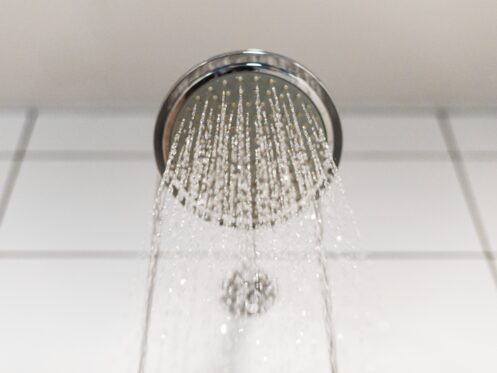
One of the most frustrating experiences is stepping into a shower and expecting a strong, refreshing stream only to be met with a weak trickle. Low shower pressure makes it extremely difficult to enjoy a comfortable shower, complete your daily routine, and even rinse shampoo from your hair. While this issue may seem like a minor problem at first, many times it indicates an underlying issue with your plumbing system. There are many different causes of low shower pressure, with many of them being relatively straightforward to identify and repair.
What Can Cause Low Shower Pressure?
Low shower pressure can be the result of a variety of different issues, ranging from simple fixture problems to complex plumbing repairs. Mineral buildup inside your shower head is probably the most common culprit that area homeowners experience. Over time, using hard water can allow calcium and other minerals to clog the small spray openings within your shower head. This restricts water flow and reduces pressure.
If your shower’s shut-off valve is partially closed, it could be restricting water flow through your shower head. A faulty pressure-balancing valve inside your shower, aging plumbing pipes, hidden water leaks, and issues with your home’s main water supply could all be to blame. If the low water pressure is only affecting one shower in your home, the problem is typically isolated to that fixture. However, if you notice that multiple plumbing fixtures throughout your home have weak water pressure, it’s likely a full plumbing system or water service line malfunction.
How To Improve Shower Water Pressure
There are a couple of things that you can do on your own before calling in a professional to sort out your low shower water pressure issue. Start by inspecting your shower head for any calcium deposits. Taking the shower head off and actually soaking it in a vinegar solution can dissolve many of the hard water deposits and help restore functionality to your shower head. If you don’t have hard water buildup, check your water shut-off valve and make sure the valve is completely open. Sometimes it may get knocked and become partially closed. If none of these steps solves your low water pressure issue, then it’s important to contact a professional for further assessment.
Is A Fixture Issue Causing Low Water Pressure?
It’s common for a lot of low water pressure complaints to be simply isolated to the shower fixture. Mixing valves, pressure-balancing valves, shower heads, and cartridges can all wear out over time with use. Sometimes they can become clogged with debris and mineral buildup. Because these components regulate the water flow and temperature from your shower head, when they fail, they can cause a reduction in water pressure.
Older plumbing fixtures are more susceptible to corroded internal components. This can limit the amount of water that can actually pass through the fixtures. Sometimes we may be able to replace a cartridge or shower head to restore strong water pressure to your fixture. However, in other cases, more extensive plumbing repairs may be necessary.
When Low Shower Pressure Points To Water Line Issues
In some cases, your weak shower water pressure can be the result of a larger plumbing problem. Partially blocked water lines, damaged supply piping, hidden leaks, and aging galvanized piping can all be to blame. These can reduce the amount of water that actually reaches your shower, causing low pressure. Homes that have aging plumbing systems are more susceptible to pipe corrosion. As the corrosion builds inside the pipe, it gradually narrows its inside diameter, which restricts water flow.
If you have hidden leaks, some of your water could be leaking out before it ever reaches your fixture. You may notice higher-than-normal water bills, mold growth, and damp spots in your home. Additionally, municipal water supply issues can also reduce your home’s water pressure.
When To Call A Plumber About Low Water Pressure
If you’ve tried cleaning mineral deposits off your shower head and have checked to ensure that your shut-off valve is completely open, it’s time to call a plumber who offers general plumbing repairs. You never want to put off getting repair service for your low shower water pressure, as doing so can likely lead to more damage to your plumbing system. Anytime that low water pressure develops suddenly, affects multiple fixtures in your home, or is accompanied by discolored water or unusual pipe noises, it’s time for a professional evaluation.
Call BC Plumbing Today for Plumbing Repair
Dealing with low shower water pressure can be extremely frustrating for any homeowner. While there are some things that you can check on your own, it’s always best to call in a professional if you can’t solve the issue promptly.
Contact BC Plumbing for general plumbing repairs in Las Vegas, NV, today.