Your water heater impacts your daily comfort, energy use, and long-term costs. To choose between a tank and a tankless water heater, you need to take all three into account. Plus, Nevada homeowners deal with hard water and temperature swings that affect system performance, making the choice more difficult. The right choice depends on your household size, budget, and how much hot water you use at one time. BC Plumbing helps homeowners evaluate both options and select a system that fits their home and long-term needs.
How Tank Water Heaters Work and What They Offer
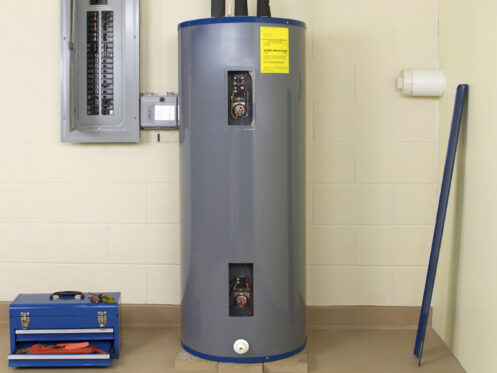
Tank water heaters store a set amount of hot water in a large insulated tank. The system heats and reheats water throughout the day to keep it ready for use. Most homes use a 30- to 80-gallon tank, depending on household size.
Tank systems provide a steady supply of hot water for everyday tasks. Showers, laundry, and dishwashing all draw from the stored supply. Once the tank empties, the system needs time to refill and reheat.
Installation usually costs less upfront compared to tankless systems. Homeowners often install them in garages, utility rooms, or basements.
Tank water heaters heat water continuously, which increases utility costs. Nevada homeowners usually notice this during high-usage months. Although modern technology allows for more efficiency, tank water heaters still can use a lot of energy.
Benefits of Tankless Water Heaters for Modern Homes
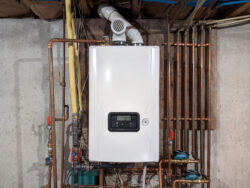
Tankless water heaters only heat water when a fixture needs it. The system activates when someone turns on a faucet or shower. Water flows through the unit and heats instantly, offering immediate hot water without tank storage. Homeowners avoid running out of hot water during extended use, and larger households often benefit from this continuous output.
Tankless systems take up far less space than traditional tanks. Most units mount on walls, freeing up storage space. This setup works well in homes with limited utility space. Many homeowners like that these units are about the size of a small suitcase.
Energy efficiency often improves with tankless systems. The unit does not store and reheat water throughout the day, which reduces standby energy loss. Homeowners who install tankless water heaters often see a reduction in energy costs. Tankless water heaters also tend to last longer when properly maintained. Many systems operate efficiently for years with routine service and occasional descaling.
The upfront cost usually runs higher than traditional tank water heaters. Installation may also require upgrades to gas lines or electrical systems, depending on the home. While they don’t run out of hot water, tankless systems still can be overwhelmed if too many fixtures or appliances need hot water at the same time.
Lifespan, Repair Needs, and Long-Term Value
System lifespan plays a major role in long-term cost planning. Tank water heaters typically last around 8 to 12 years, depending on water quality and maintenance habits. Mineral buildup and the cost of heating cycles often affect performance over time, especially in regions with harder water.
Tankless water heaters usually last longer, often reaching 15 to 20 years with proper care. Their design reduces strain from constant heating, which helps extend service life under normal household use.
Repair expectations also differ between the two options. Tank systems often cost less to repair but may require full replacement sooner. Tankless systems usually incur higher component repair costs, but they offer a longer overall service window.
Long-term value depends on how long homeowners plan to stay in the home. Short-term homeowners often prioritize lower upfront costs. Long-term homeowners often focus on efficiency and longevity to reduce the frequency of replacements.
Maintenance and Water Quality Considerations
Nevada water conditions affect both tank and tankless symptoms. Hard water contains minerals that build up inside plumbing equipment over time. That buildup reduces efficiency and increases strain on internal components.
Tank systems collect sediment at the bottom of the tank. That sediment forces the system to work harder to heat water. Routine maintenance helps slow that build-up and supports more consistent performance.
Tankless systems experience mineral buildup inside the heat exchanger. That issue can restrict flow and reduce heating efficiency if homeowners neglect regular service. Consistent flushing helps maintain performance so minerals don’t accumulate as easily.
Maintenance habits directly affect system lifespan. Homes that schedule routine service experience fewer breakdowns and more stable hot water output.
Choosing the Right System for Your Home and Budget
Budget often determines the first direction homeowners take, but long-term value matters just as much. Tank systems work well for homeowners who want lower upfront costs and predictable performance. Tankless systems suit homeowners who want efficiency and reduced long-term operating costs. Both systems perform well when matched correctly to the home.
Contact BC Plumbing today to schedule water heater installation for reliable hot water in your Nevada home.